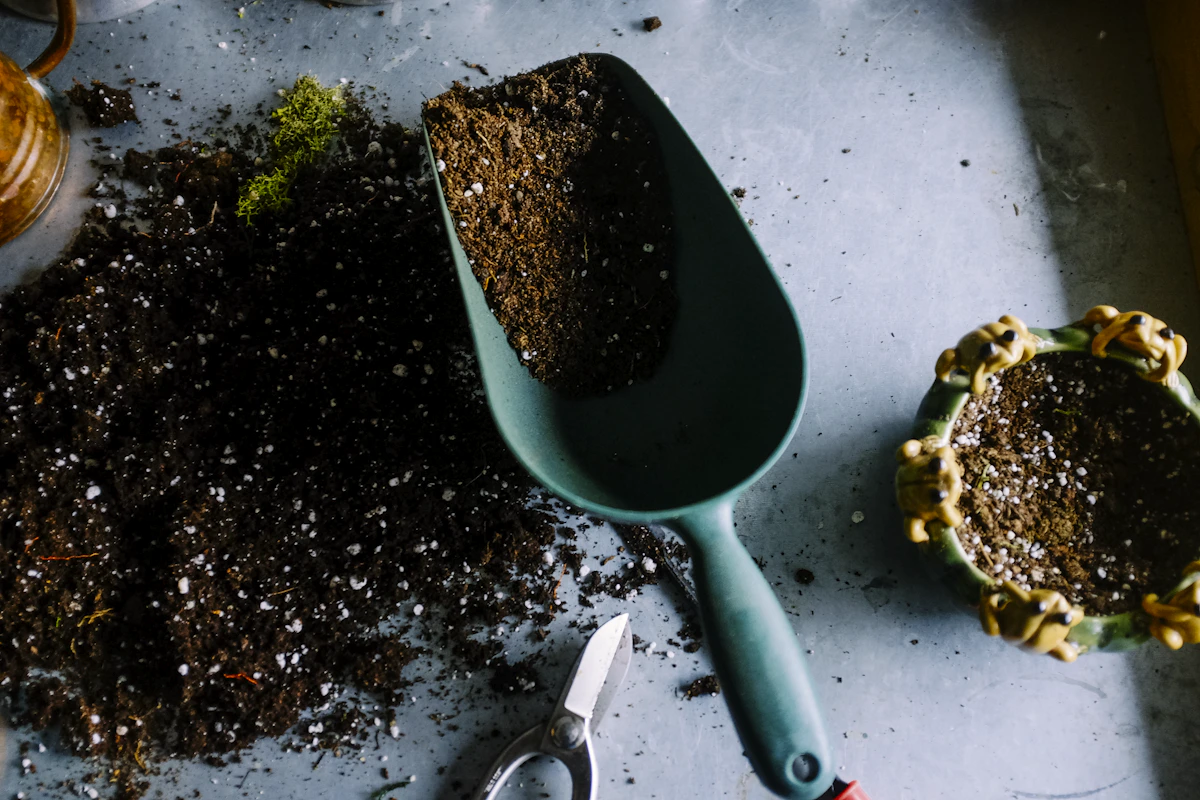
Gardening provided the starting point for this project. The SmartTerra concept explored how a terrarium could combine a planted display with simple environmental controls in a form intended for a home or workspace.
The original team arrived with a working model rather than only a presentation. Their early device used a control board, a small display, lighting, a pump, and programmed routines to change the atmosphere inside the enclosure. The development work that followed concentrated on making those functions easier to use and fitting them into a coherent product form.

Starting with the experience
The concept paired lighting, moisture, sound, and controls with a planted miniature landscape. The early prototype demonstrated that the core functions could work together, but it also revealed a familiar product-development challenge: a functional model still needs a form that explains itself to a user.
The design work therefore emphasized a calm, open silhouette. Rather than competing with the plants, the structure was shaped to frame them. A divided base, a central fill point, and a slim lid created a route for the water system and electronics while keeping the clear tank visually prominent.

Turning a form into a buildable system
Once the direction was selected, the team translated it into detailed mechanical work. The base, fill port, tank, and lid had to be specified in a way that considered assembly and eventual molding constraints. The hinge became a particularly important problem because it had to allow the lid to open while accommodating electrical and water connections.
The resulting approach used a purpose-built friction hinge with protected routes for those connections. On the electronic side, the control system was planned around a compact connected module and boards positioned within the product structure. Lighting components were separated into the lid so their position better served the enclosure.
Mechanical question
Can the lid move reliably while the water and electrical paths remain protected and serviceable?
Experience question
Can the controls support the atmosphere of the terrarium without drawing attention away from the plants?
Prototyping for the questions at hand
The physical parts were machined in plastic for this stage. That decision supported clearer large surfaces and a transparent tank while allowing the team to test fit and tune components. Surface finishes helped the assembled model approximate the intended contrast between materials.
Meanwhile, the electronics were assembled and programmed for the sensors, lighting, pump, and sound functions. Testing focused on observable behavior. For the rain feature, the team repeatedly adjusted pump behavior and outlet details until the effect suited the enclosure. This was a practical reminder that a prototype often advances through small, measurable revisions rather than one dramatic change.

What the project demonstrates
The project later appeared in a public crowdfunding campaign, where the working model and planted scenes helped make the intended experience understandable. The resource record shows a more lasting lesson: product development benefits from a prototype that can be examined from several angles at once—appearance, use, assembly, reliability, and communication.
For an early-stage inventor, the next useful move is not always a larger or more polished model. It is often the smallest build that can settle one important uncertainty. Define that uncertainty, document what you observe, and let the next version respond to the evidence.