Log inCreate a free account
Development stories

Progress is built through useful learning.

This resource collects product stories from earlier eras of the community. Read them as practical examples of observation, iteration, demonstration, and the many decisions behind a consumer product.

Past commercial outcomes are historical context, not a promise of evaluation, licensing, retail placement, or future results.

Hands assembling an early physical prototype at a workbench
Look beyond the finished product.Useful records show the questions, trials, and revisions that came first.
About this resource

Stories preserved for perspective, not promises.

Product names and descriptions below are retained as historical examples. The purpose of this page is to help contributors see how a clear use case and focused iteration can shape an idea.

What these records can show

An early product may begin with a familiar frustration: a kitchen task, a household routine, a pet-care need, or a child’s everyday activity. The useful work is translating that observation into something understandable and testable.

  • Everyday problems
  • Clear product use
  • Simple demonstrations
  • Focused iteration
  • Category research
  • Realistic next steps
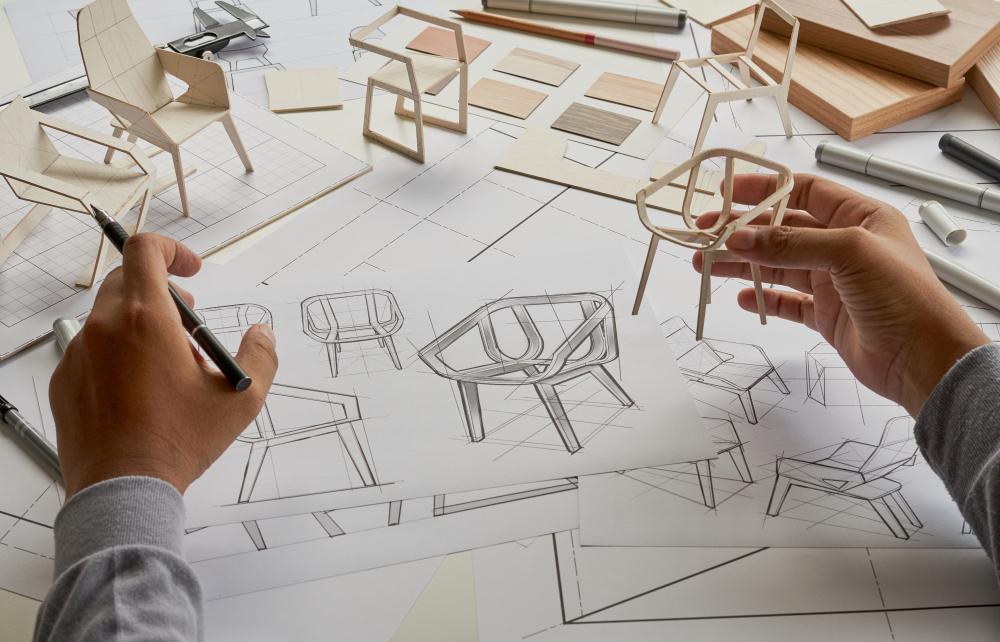
Design sketch beside prototype tools and measurement equipment
resource selections

Products designed around a specific routine.

These summaries describe the original use cases in plain language. They are historical examples rather than current product recommendations.

Prepared eggs and kitchen utensils on a countertop

Egg preparation container

An resource example centered on making a familiar egg-preparation task easier to handle and serve, with a simple, visual explanation of use.

Read resource note
Laundry basket and neatly folded household fabrics

Reusable dryer accessory

This household concept focused on a familiar fabric-care concern and communicated its function through a short, repeatable routine.

Read resource note
Cat near a textured scratching surface

Interactive scratching surface

A pet-product example that combined play and care in one object, giving users a clear reason to understand its place in a daily routine.

Read resource note
Fresh breakfast ingredients arranged on a kitchen table

Breakfast bowl mold

This cooking tool framed one repeatable preparation step as its primary benefit, keeping the proposition direct and easy to demonstrate.

Read resource note
Colorful hair-care tools arranged on a light surface

Temporary color applicator

An resourced beauty concept built around a change that users could see immediately, an important feature when demonstrating a product’s purpose.

Read resource note
Child eating a snack from a bowl at a table

Stability-focused snack bowl

A family-oriented example that concentrated on one observable use condition: helping food remain contained during active, everyday use.

Read resource note
Practical lessons

What to carry into your own work.

There is no universal route from idea to product. These durable habits can help you decide what to learn before investing in a more detailed version.

LESSON 01

Name the moment

Describe when the problem happens, who experiences it, and why existing options fall short.

LESSON 02

Check alternatives

Study habits, competing products, and workarounds before deciding what needs to be different.

LESSON 03

Make one question visible

Use a sketch or prototype to test a single important assumption rather than trying to solve everything at once.

LESSON 04

Record the change

Keep notes about what failed, what improved, and what evidence should guide the next revision.

Questions, answered

Reading the resource responsibly.

These answers clarify what historic product stories can and cannot tell you about your own product idea.

Do these stories mean similar ideas will be selected or developed?

No. resource examples do not indicate that an idea will be reviewed, selected, licensed, manufactured, sold, or otherwise developed.

Why preserve older product stories?

They provide useful context about how product ideas have been explained around everyday needs, use cases, and simple demonstrations.

Should I copy a product described here?

No. Use the resource to study problem framing and development thinking. Research existing products and seek qualified advice on intellectual property, safety, and other requirements.

What should I do before submitting an idea?

Identify the user and problem, describe your approach clearly, note competing solutions, and document any early research or testing.

Can I ask for feedback in the forums?

Yes, but use care with public posts. Share only material you are comfortable making visible, particularly when confidentiality matters.

Where can I learn about participating on the site?

Visit the help and FAQ section, review the terms of service, and consult the privacy policy.

Start with the problem in front of you.

Capture the need, examine the constraints, and give your next product idea a clear, testable first step.